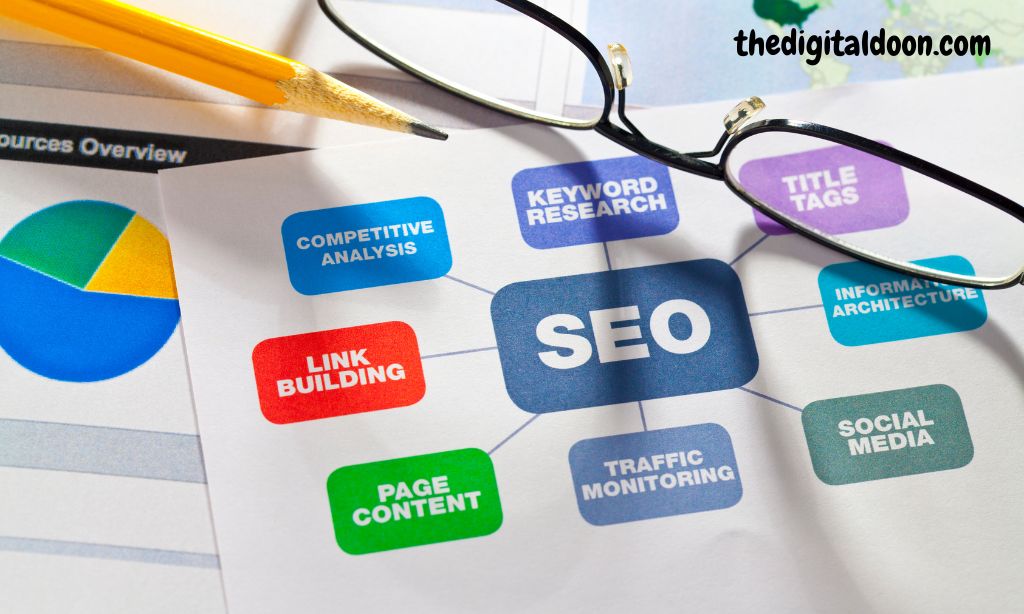

Search Engine Optimization (SEO) success hinges on many factors, but on-page optimization remains one of the most controllable and impactful. In this comprehensive guide, we analyze every key on-page element, definitively rank them by their SEO influence, and explain how to optimize each for maximum organic visibility in 2026 and beyond.
Whether you’re a marketer, business owner, or SEO specialist, this article serves as your authoritative resource on on-page SEO priorities.
What Is On-Page SEO?
On-page SEO refers to the optimization of individual web pages so they rank higher and attract relevant traffic from search engines. It includes both the content itself and the HTML source code — in contrast to off-page SEO, like backlinks.
Every element from titles to internal links affects how Google understands and ranks a page. But not all elements carry equal weight.
The Most Important On-Page SEO Elements Ranked
Below, we list and explain each on-page SEO element, ordered by how much influence it carries on rankings in 2026.
1. Title Tags — The Most Weighted On-Page Element
Why It Matters: Title tags directly tell search engines what your page is about. They appear in SERPs as the clickable headline — a top ranking signal.
Optimization Best Practices:
- Include your primary keyword at the beginning.
- Keep between 50–60 characters.
- Use compelling language to increase CTR.
- Avoid duplication across pages.
Example: Best On-Page SEO Guide for 2026 | Comprehensive Ranking Tips
2. High-Quality Content — The Foundation of Rankings
Why It Matters: Google’s algorithms prioritize content that fully satisfies intent. Content must be:
- Comprehensive
- Versatile (text, images, diagrams)
- Updated with fresh insights
- Written for humans first
Content Signals Google Evaluates:
- Depth of coverage
- Keyword relevance and context
- User engagement (time on page, bounce rate)
- Content recency
Optimization Techniques:
- Answer search intent thoroughly
- Use LSI and semantic keywords
- Incorporate statistics, examples, and visuals
3. Heading Tags (H1, H2, H3, etc.)
Headings organize content for readers and crawlers.
Best Practices:
- One H1 that contains the main keyword.
- Logical H2/H3 structure.
- Use descriptive, keyword-rich headings.
Headings help Google understand page hierarchy and topic relevance.
4. Meta Descriptions — Secondary but Impactful
While meta descriptions aren’t a direct rank factor, they influence click-through rate (CTR) — a strong behavioral signal.
Optimization Tips:
- Keep between 130–155 characters.
- Include target keywords.
- Add compelling action phrases.
Example: Learn which on-page element carries the highest SEO weight — plus practical optimization tips to rank in 2026.
5. URL Structure — Simple & Descriptive
Why It Matters:
- Clean URLs improve crawlability.
- Users trust clear URLs.
Best Practices:
- Include the primary keyword.
- Use hyphens (not underscores).
- Avoid stop words.
Example:
site.com/on-page-seo-priority
6. Internal Linking — Pass Authority Within Your Site
Internal links distribute authority and help crawlers discover pages.
Best Practices:
- Link from high-authority pages.
- Use keyword-rich anchor text.
- Ensure every page is reachable within 3–4 clicks.
7. Image Optimization — Essential for UX & Speed
Key Elements:
- Alt text with descriptive keywords
- Compressed file sizes
- Mobile-friendly dimensions
Alt text helps Google understand image context and boosts accessibility.
8. Page Load Speed — Critical User Experience Signal
Fast pages reduce bounce rate and increase rankings.
Speed Optimization Techniques:
- Compress images
- Enable caching & lazy loading
- Minify CSS/JS
Tools like Google PageSpeed Insights and Lighthouse help identify bottlenecks.
9. Schema Markup — Help Search Engines Understand Context
Schema adds structured data to content.
Types Of Schema You Should Use:
- Article schema
- FAQ schema
- Breadcrumb schema
- Product schema (for e-commerce)
Schema improves SERP appearance (rich results) and increases CTR.
10. Mobile-First & UX Signals
Google primarily uses mobile versions of pages for indexing and ranking.
Mobile SEO Best Practices:
- Responsive design
- Large tap targets
- Fast mobile load speed
- Readable font sizes
Google’s Core Web Vitals are part of UX ranking metrics.
11. Keyword Placement & Semantic Relevance
Where to Place Keywords:
- Title tag
- H1 and subheadings
- First 100–150 words
- URL + meta description
- Naturally through content
Use semantic (LSI) variations to help search engines understand context without keyword stuffing.
Best Practices Checklist (2026)
✔ Target keyword in title tag
✔ Meaningful, satisfying content
✔ Structured headings with context
✔ Optimized URLs
✔ Internal links to key pages
✔ Descriptive alt text on images
✔ Fast loading times
✔ Schema markup where relevant
✔ Mobile-friendly layout
✔ Natural keyword distribution
Common Mistakes to Avoid
❌ Keyword stuffing
❌ Multiple H1s
❌ Thin content with low value
❌ Ignoring mobile users
❌ Broken internal links
❌ Unoptimized images slowing load time
Conclusion — What Carries the Most Weight?
From highest to lowest impact, the most crucial on-page SEO elements in 2026 are:
- Title Tags
- High-Quality Content
- Headings
- Meta Descriptions
- URL Structure
- Internal Linking
- Image Optimization
- Page Speed
- Schema Markup
- Mobile UX
- Keyword Placement & Semantic Relevance
Focusing first on title tags and content — backed by solid technical and user-centric practices — will ensure your pages rank higher, attract more traffic, and outperform competitors.